Broad sheet flow
A wide route may suit water that spreads across grass instead of arriving at one concentrated point.

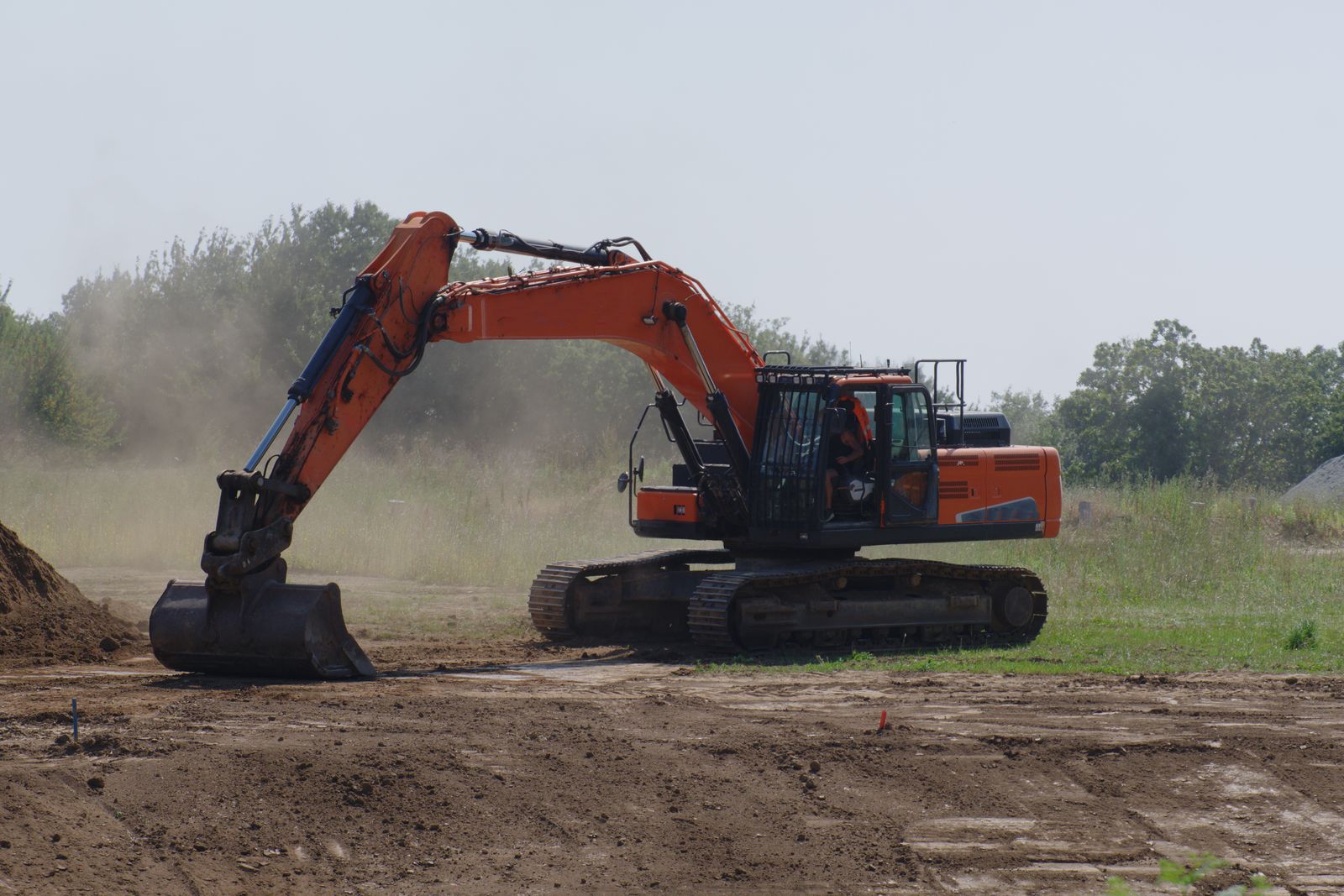
Guide shallow water with broad landforms that stay visible, mowable, and connected to a suitable surface destination.
A swale guides water. A berm changes where it can go.
Surface water follows elevation. A useful plan identifies where flow concentrates, whether it crosses a walk or fence line, where soil is being lost, and whether the proposed route stays on private property without shifting the problem.
If soil, mulch, or surface cover is moving, first identify why water is concentrating. Appropriate stabilization and restoration can then be planned for the corrected route. Stabilizing the symptom without correcting the water path can leave the cause in place.
A wide route may suit water that spreads across grass instead of arriving at one concentrated point.
A low berm may help keep shallow runoff away from a sensitive area when another safe path is available.
Surface routes can change as soil settles, vegetation grows, and debris collects. The finished area should be observed and maintained as needed.
A surface-grading project has to work during the next rain and remain practical afterward. The review therefore includes restoration, access, erosion control, and the proposed destination—not just the wet spot.
Record the source, high points, low points, hardscape transitions, property edges, and the direction water travels during a storm.
Compare regrading, a shallow swale, a low berm, or low-spot repair only when the visible surface and destination support it.
Plan final soil, erosion protection, turf or planting restoration, and maintenance so the new contour remains readable and usable.
French drains, grading, swales, and related private-property drainage can be considered. Curb cuts or penetrations, public right-of-way work, and municipal storm or sanitary connections are not offered.
Two checks that keep the first conversation about your property—not a generic product pitch.
A swale is a shaped surface route for visible runoff. A French drain may intercept some shallow subsurface water. A property can need one, the other, or a coordinated approach depending on the observed water path.
Surface restoration may not last if concentrated water continues to cross the same area. Ordinary erosion planning should identify and correct the water path before selecting stabilization and restoration methods.
Send the address, storm timing, and a description of the full water path. We will use that information to compare surface and subsurface landscape-drainage options.
Form didn’t load? Call us at 405-529-9406.
Nothing is booked until you agree.